Waste Disposal In Small Travel Trailers
Managing Waste Disposal In Small Travel Trailers
Managing waste in a compact travel trailer isn't exactly dinner table conversation, but it's an essential aspect of RV life that every traveler needs to understand. Whether you're a weekend warrior or full-time nomad, knowing how to handle waste disposal in small travel trailers can make or break your camping experience.Understanding Your RV's Waste System
When it comes to waste management in small travel trailers, you're dealing with two main types of waste: black water (toilet waste) and gray water (sink and shower drainage).Most compact trailers come equipped with holding tanks for both, though sizes vary significantly. The average small trailer typically has a black tank capacity of 15-30 gallons and a gray tank capacity of 20-35 gallons.
Toilet Options for Small Travel Trailers
Several toilet systems are available for managing human waste disposal in compact RVs:1. Traditional RV toilets: Connected directly to the black tank. 2. Cassette toilets: Feature a removable waste tank. 3. Composting toilets: Eco-friendly option that separates liquids and solids. 4. Portable camping toilets: Perfect for smaller trailers without built-in facilities.
Toilet Systems In Small Travel Trailers
Let's discuss the structure, pros, and cons of the waste management systems for travel trailers:1. Traditional RV Toilets (Black Tank System)
-
Structure: These toilets are permanently installed and connected directly to a large holding tank (the "black tank"). Flushing mechanisms vary, from simple gravity-flush to more sophisticated macerating toilets that grind waste. The black tank is emptied at designated dump stations using a sewer hose.
-
Pros:
- Large Capacity: Black tanks offer the largest waste storage capacity, ideal for longer trips without needing to dump frequently.
- Convenience: Feels most like a traditional home toilet. Easy to use and flush.
- Widely Available: Dump stations are readily available at most campgrounds and RV parks.
-
Cons:
- Odor Potential: If not properly maintained, black tanks can produce unpleasant odors. Requires regular cleaning and chemical treatments.
- Maintenance: Requires more maintenance than other systems, including cleaning, tank treatments, and ensuring proper venting.
- Dump Station Dependence: Requires access to a dump station, limiting boondocking options.
- Weight: Full black tanks add significant weight to the trailer.
2. Cassette Toilets
-
Structure: These toilets have a smaller, removable waste tank (the cassette) that is typically stored beneath the toilet. The cassette is emptied manually into a standard toilet or dump station.
-
Pros:
- Portability: The removable cassette makes it easier to empty in various locations, including public restrooms or even at home.
- Smaller Footprint: Cassette toilets can be a good option for smaller RVs or those with limited space.
- Less Water Usage: Generally use less water per flush than traditional RV toilets.
-
Cons:
- Smaller Capacity: The cassette tank is significantly smaller than a black tank, requiring more frequent emptying.
- Manual Emptying: Emptying the cassette can be a less pleasant task than using a dump station.
- Odor Potential: While generally better than black tanks, cassettes can still produce odors if not properly maintained.
3. Composting Toilets
-
Structure: Composting toilets separate liquid and solid waste. Solids are composted with a bulking agent (like sawdust or coconut coir) in a separate chamber, while liquids are collected in a separate container. The composted solids need to be emptied less frequently, and the liquid tank needs more regular attention.
-
Pros:
- Eco-Friendly: Reduces water usage and minimizes environmental impact.
- Less Frequent Emptying (Solids): The composting process significantly reduces the volume of solid waste, meaning less frequent emptying.
- Boondocking Friendly: Less reliant on dump stations, making them ideal for off-grid camping.
- Odor Control: When properly functioning, composting toilets can be very effective at controlling odors.
-
Cons:
- Higher Initial Cost: Composting toilets are typically more expensive than other options.
- More Complex Maintenance: Requires understanding and managing the composting process, including adding bulking agents and monitoring moisture levels.
- Liquid Tank Emptying: The liquid tank needs to be emptied regularly, which can be inconvenient for some.
- Learning Curve: There is a learning curve associated with using and maintaining a composting toilet effectively.
4. Portable Camping Toilets
-
Structure: These are self-contained units with a small built-in tank. They are designed to be easily transported and are often used for tent camping or in very small trailers.
-
Pros:
- Portability: Lightweight and easy to move around.
- Low Cost: Generally the most affordable option.
- Simple to Use: Easy to set up and operate.
-
Cons:
- Small Capacity: The built-in tank is very small, requiring frequent emptying.
- Manual Emptying: Requires manual emptying, which can be inconvenient.
- Limited Features: Typically very basic in design and functionality.
- Odor Potential: Can be prone to odors if not emptied frequently and cleaned properly.
Choosing the right waste management system depends on your individual needs and travel style. Consider factors like the size of your trailer, how often you camp, where you camp (hookups vs. boondocking), budget, and your comfort level with maintenance.
Best Practices for Waste Management
Maintaining a proper waste disposal system in small travel trailers requires consistent attention. Here are some essential tips:- Use RV-specific toilet paper that breaks down easily. - Add holding tank treatments regularly to control odors and break down waste. - Monitor tank levels carefully to avoid overflow. - Clean sensors periodically to ensure accurate readings. - Keep tank valves closed until they're at least 2/3 full.
Dumping Station Etiquette
When disposing of human waste from small travel trailers, following proper dumping station protocol is crucial:1. Wear disposable gloves 2. Connect sewer hose securely 3. Empty black tank first, then gray tank 4. Rinse thoroughly after dumping 5. Clean up after yourself 6. Store equipment properly
Alternative Disposal Methods
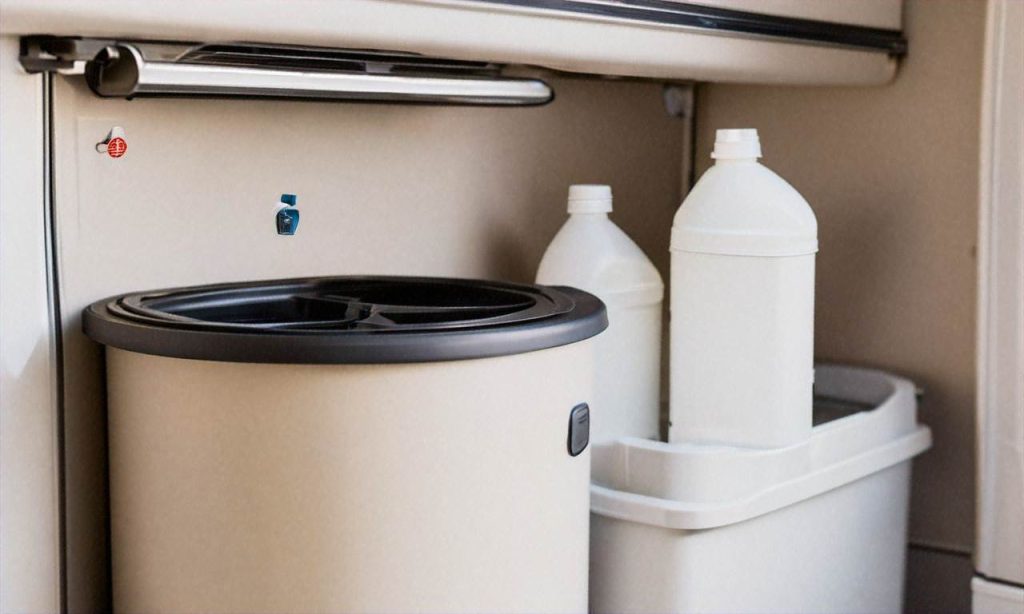
For those boondocking or camping without access to dump stations, several alternatives exist for handling human waste disposal in small trailers. These include:- Portable waste totes - Composting systems - Public dump stations - Campground facilities - Marine pump-out stations
Common Challenges and Solutions
Managing waste in compact travel trailers comes with its share of challenges:Challenge: Limited tank capacity Solution: Install tank monitors and plan dumps accordingly
Challenge: Odor control Solution: Use high-quality holding tank treatments and ensure proper ventilation
Challenge: Clogged systems Solution: Regular maintenance and proper toilet paper usage
Maintenance Tips for Waste Systems
Regular maintenance ensures proper function of waste disposal systems in small travel trailers. Here are five maintenance tips:- Flush tanks thoroughly after each dump - Clean tank sensors quarterly - Inspect seals and valves annually - Replace worn components promptly - Winterize system in cold climate.
Environmental Considerations
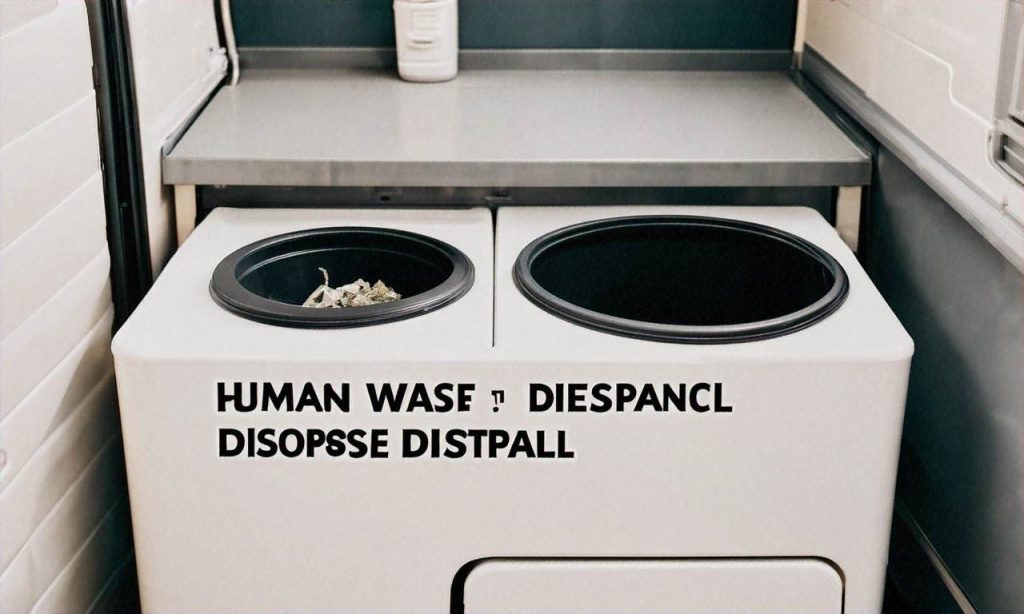
Responsible waste management in small travel trailers includes environmental awareness. The following solutions should be considered:- Use biodegradable cleaning products. - Dispose of waste at designated facilities only - Consider eco-friendly toilet options - Minimize water usage - Follow local regulations
Waste Management When Planning for Extended Trips
Long-term travel requires additional consideration for human waste disposal in compact trailers:1. Map out dump stations along your route 2. Calculate tank capacity versus usage 3. Consider backup disposal options 4. Pack necessary supplies 5. Know local regulations
Essential Supplies for Waste Management
Keep these items on hand for effective waste disposal in small travel trailers:- Heavy-duty sewer hose with fittings - Tank treatments - Disposable gloves - Cleaning supplies - Basic repair kit
Conclusion
Managing human waste disposal in small travel trailers doesn't have to be overwhelming. With proper understanding, equipment, and maintenance, you can handle this essential aspect of RV life efficiently and hygienically.Remember that successful waste management comes down to planning, proper equipment use, and regular maintenance. By following these guidelines and maintaining your system properly, you can enjoy worry-free travel in your compact trailer.
Remember to always check local regulations regarding waste disposal, as requirements can vary by location. With proper management and care, your small travel trailer's waste system will serve you well for many adventures to come.


Comments
Post a Comment